
What is Transcendental Meditation (TM)?
Transcendental Meditation (TM) is a specific form of mantra meditation originating in India, gaining global recognition for inducing calmness and reducing stress.
Researchers are actively studying its diverse approaches, and readily available Transcendental Meditation PDF guides offer introductory insights into the practice’s core tenets.
The technique emphasizes effortless mental processes, and its benefits are increasingly acknowledged as a primary tool for mental health and overall well-being;
Historical Origins and Maharishi Mahesh Yogi
Transcendental Meditation’s (TM) roots trace back to ancient Vedic traditions of India, but its modern form is largely attributed to Maharishi Mahesh Yogi, who systematized and popularized the technique in the mid-20th century. He presented TM not as a religious practice, but as a scientifically grounded method for personal development.
The Maharishi’s teachings emphasized accessing a deeper state of restful alertness, believing it unlocked human potential. He travelled extensively, introducing TM to the West, notably gaining attention with high-profile figures like The Beatles, who visited his ashram in India in 1968. This exposure significantly boosted the technique’s visibility.
Numerous Transcendental Meditation PDF resources detail the Maharishi’s philosophy and the structured approach to learning TM. These materials often highlight his vision of creating a more peaceful world through widespread practice. His legacy continues through the organization he founded, which maintains strict standards for TM teacher certification and instruction, ensuring the technique’s integrity is preserved.
The Core Principles of TM
Transcendental Meditation (TM) centers around the use of a specifically assigned mantra – a sound or word – provided by a certified teacher. This mantra isn’t meant to be concentrated on, but rather used as a vehicle to allow the mind to settle beyond active thought, achieving a state of “restful alertness.”

Unlike some meditation forms, TM doesn’t involve forced concentration, control of breath, or striving for a particular mental state. It’s presented as an effortless process, allowing the mind to naturally transcend to quieter levels of awareness. Many Transcendental Meditation PDF guides emphasize this effortless nature as key to its effectiveness.
Regular practice, typically twice daily for 20 minutes, is recommended to experience cumulative benefits. The technique aims to reduce stress, promote inner peace, and enhance overall well-being. The core principle isn’t about stopping thoughts, but about gently redirecting attention back to the mantra when the mind wanders, fostering a state of calm and clarity.

The Science Behind Transcendental Meditation
Transcendental Meditation (TM) is increasingly researched, with studies exploring its impact on brainwave activity and physiological responses; Transcendental Meditation PDF resources detail these findings.
Brainwave Activity During TM
Transcendental Meditation (TM) demonstrably alters brainwave patterns, shifting individuals from waking consciousness (beta waves) towards a state of relaxed alertness characterized by increased alpha wave activity. As the practice deepens, a unique state emerges, dominated by theta and even gamma waves – typically associated with deep relaxation, creativity, and heightened mental clarity.
Research indicates that this isn’t simply a slowing of brain activity, but a coherent and integrated pattern across different brain regions. Accessing Transcendental Meditation PDF guides reveals detailed explanations of these neurophysiological changes, often accompanied by electroencephalogram (EEG) visualizations.
These brainwave shifts correlate with reported experiences of inner peace and reduced mental chatter. The consistent practice of TM appears to strengthen these neural pathways, fostering a more balanced and resilient brain state. Further exploration within available resources highlights the potential for long-term cognitive and emotional benefits stemming from these altered brainwave patterns.
TM and Stress Reduction: Cortisol Levels
Transcendental Meditation (TM) has been consistently linked to significant reductions in cortisol, the primary stress hormone. Elevated cortisol levels, sustained over time, contribute to a cascade of negative health effects, including anxiety, weakened immunity, and cardiovascular issues. Studies demonstrate that regular TM practice can effectively regulate the hypothalamic-pituitary-adrenal (HPA) axis, the body’s central stress response system.
Exploring Transcendental Meditation PDF materials reveals numerous studies documenting these physiological changes. Researchers have observed lower baseline cortisol levels in long-term TM practitioners compared to control groups. Furthermore, TM appears to mitigate the cortisol response to acute stressors, promoting a calmer and more adaptive reaction to challenging situations.
This physiological shift translates to tangible benefits for mental and physical well-being, fostering resilience and reducing the detrimental impact of chronic stress. The technique’s ability to normalize cortisol levels underscores its potential as a valuable tool for stress management.
Impact on the Nervous System: Autonomic Function
Transcendental Meditation (TM) profoundly impacts the autonomic nervous system (ANS), responsible for regulating involuntary bodily functions like heart rate, breathing, and digestion. The ANS comprises two branches: the sympathetic (“fight or flight”) and parasympathetic (“rest and digest”) systems. Chronic stress often leads to sympathetic dominance, contributing to various health problems.
Analysis of research detailed in Transcendental Meditation PDF guides reveals that TM promotes a shift towards parasympathetic dominance. This is evidenced by increased heart rate variability (HRV), a marker of ANS flexibility and resilience. Higher HRV indicates the body’s greater capacity to adapt to stress and maintain homeostasis.
TM facilitates this shift by inducing a state of deep rest and relaxation, allowing the nervous system to recover from chronic overstimulation. This improved autonomic balance contributes to reduced anxiety, lower blood pressure, and enhanced overall physiological well-being, fostering a sense of calm and centeredness.

Benefits of Practicing Transcendental Meditation

Transcendental Meditation (TM) offers numerous benefits, including reduced stress, anxiety, and PTSD symptoms, as detailed in available Transcendental Meditation PDF resources.
It enhances mental clarity and promotes overall well-being through deep relaxation and improved autonomic nervous system function.
Mental Health Improvements: Anxiety and Depression
Transcendental Meditation (TM) demonstrates significant potential in alleviating symptoms of both anxiety and depression, as highlighted in numerous studies and detailed within comprehensive Transcendental Meditation PDF guides.

Research indicates that consistent TM practice can lead to rapid and substantial improvements in flourishing, particularly beneficial for individuals experiencing high levels of stress and emotional distress. Frontline nurses, for example, showed marked reductions in anxiety and burnout during the COVID-19 pandemic after learning the TM technique.
The practice fosters a state of deep rest, allowing the nervous system to recover from chronic stress, a key contributor to both anxiety and depressive disorders. By promoting calmness and self-awareness, TM empowers individuals to better manage their emotional responses and cultivate a more positive outlook. Accessing detailed instructions through a Transcendental Meditation PDF can help individuals understand and implement this powerful tool for mental wellness.
Furthermore, TM isn’t merely symptom management; it addresses underlying imbalances contributing to these conditions, offering a holistic approach to mental health improvement.
Reducing PTSD Symptoms
Transcendental Meditation (TM) has emerged as a promising intervention for reducing the debilitating symptoms of Post-Traumatic Stress Disorder (PTSD), with detailed guidance available in various Transcendental Meditation PDF resources.
Studies, particularly those conducted during and after the COVID-19 pandemic, reveal significant improvements in PTSD symptoms among individuals practicing TM. Frontline nurses, exposed to intense trauma, experienced rapid and substantial reductions in their PTSD scores following TM training.
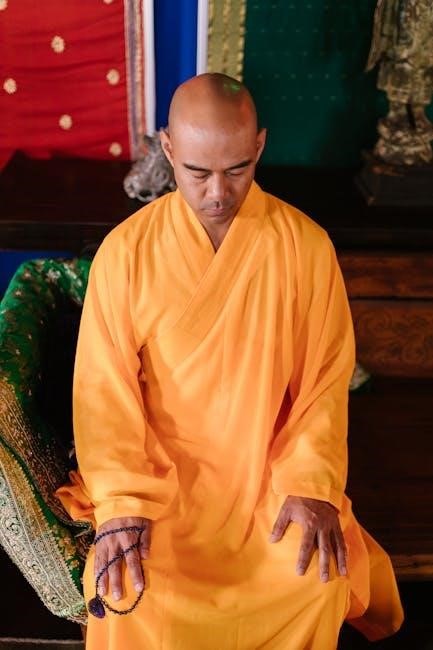
The technique’s ability to calm the nervous system and promote deep rest appears to be crucial in processing traumatic memories and reducing hyperarousal, common hallmarks of PTSD. A Transcendental Meditation PDF will explain how the practice facilitates a release of accumulated stress and tension, allowing individuals to regain a sense of control and emotional stability.
TM doesn’t require reliving the trauma; instead, it fosters inner peace and resilience, offering a non-invasive and empowering pathway to healing and recovery from the profound effects of PTSD.
Enhancing Cognitive Function and Academic Performance
Transcendental Meditation (TM) demonstrates a compelling ability to enhance cognitive function and improve academic performance, details of which are often outlined in comprehensive Transcendental Meditation PDF guides.
Recent research indicates that TM can positively impact students, particularly those who are struggling academically. A study published in a peer-reviewed journal suggests that TM may be an effective approach to improve both math and English achievement in low-performing students.
The practice is believed to enhance focus, concentration, and creativity – cognitive skills essential for academic success. A Transcendental Meditation PDF will explain how regular TM practice can lead to improved memory, problem-solving abilities, and overall mental clarity.
By reducing stress and anxiety, TM creates a more conducive learning environment, allowing students to reach their full potential and experience greater academic fulfillment. It’s a tool for unlocking cognitive capabilities.

Lowering Blood Pressure and Cardiovascular Health
Transcendental Meditation (TM) offers a promising non-pharmacological approach to lowering blood pressure and improving overall cardiovascular health, with detailed explanations often found within Transcendental Meditation PDF resources.
Numerous factors contribute to hypertension, including diet and lifestyle, but TM provides a complementary strategy for managing this condition. Research suggests that regular TM practice can significantly reduce systolic and diastolic blood pressure levels.
The mechanism behind this effect is believed to be linked to TM’s ability to reduce stress and promote relaxation, which in turn positively impacts the autonomic nervous system. A Transcendental Meditation PDF will detail how TM reduces the body’s ‘fight or flight’ response.
By mitigating stress and promoting a state of inner calm, TM supports healthier cardiovascular function and contributes to long-term heart health. It’s a proactive step towards well-being.

Transcendental Meditation vs. Other Meditation Techniques
Transcendental Meditation (TM) distinctly utilizes a mantra, differing from mindfulness approaches; Transcendental Meditation PDF guides clarify this key distinction and the technique’s unique benefits.
Key Differences: Mantra Use
Transcendental Meditation (TM) fundamentally relies on the silent repetition of a personalized mantra – a sound or word – provided by a certified teacher. This distinguishes it sharply from many other meditation techniques, particularly mindfulness practices which often focus on open monitoring of thoughts and sensations without a specific focal point.
The mantra isn’t meant to be concentrated on, but rather allowed to flow naturally, facilitating a process of “effortless processing” where the mind settles beyond active thought. Transcendental Meditation PDF resources consistently emphasize this passive approach to mantra use, highlighting that forcing concentration defeats the purpose.
Unlike affirmations or visualizations, the mantra in TM isn’t imbued with specific meaning; its purpose is purely phonetic, serving as a vehicle to transcend ordinary thinking. This contrasts with some mantra-based practices where the mantra’s meaning is considered integral to the meditative experience. The personalized nature of the mantra, and the guidance on its proper use, are core components of the TM technique, as detailed in official instructional materials and Transcendental Meditation PDF guides.
Comparing TM to Mindfulness Meditation
While both Transcendental Meditation (TM) and mindfulness meditation aim to cultivate inner peace, their approaches differ significantly. Mindfulness emphasizes present moment awareness, actively observing thoughts, feelings, and sensations without judgment. TM, conversely, utilizes a mantra to gently guide the mind beyond active thought, promoting a state of restful alertness.
A key distinction lies in effort – mindfulness often requires sustained attention and effort to return focus when the mind wanders, whereas TM encourages a more effortless process. Transcendental Meditation PDF materials frequently describe it as allowing the mind to “settle naturally,” rather than actively controlling it.
Research suggests both techniques offer benefits, but impact different brainwave patterns and physiological responses. Many Transcendental Meditation PDF guides highlight studies demonstrating TM’s effects on reducing cortisol levels and improving autonomic function. Mindfulness, while effective for stress reduction, often focuses on coping with stressors, while TM aims to reduce the underlying reactivity to stress itself. Ultimately, the best technique depends on individual preferences and goals.

Accessing Transcendental Meditation Resources
Transcendental Meditation (TM) resources are widely available, including introductory Transcendental Meditation PDF guides, and locating a certified teacher is crucial for proper instruction.
These materials detail course structures and associated costs.
Finding a Certified TM Teacher
Locating a qualified Transcendental Meditation (TM) teacher is paramount for authentic instruction and a successful learning experience. While numerous resources, including Transcendental Meditation PDF guides, offer introductory information, they cannot replace personalized guidance from a certified professional.
The official Transcendental Meditation organization maintains a comprehensive directory of teachers worldwide, accessible through their website. This ensures you connect with someone rigorously trained and authorized to impart the technique correctly. A certified teacher provides individualized instruction, tailoring the process to your specific needs and answering any questions that may arise.
The initial consultation typically involves an introductory talk explaining the TM technique, followed by a personal interview to assess suitability. The teacher will then guide you through the process of receiving your personal mantra and provide ongoing support as you establish your practice. Choosing a certified teacher guarantees adherence to the established TM protocol, maximizing the potential benefits and ensuring a genuine experience.
Transcendental Meditation PDF Guides and Materials
Numerous Transcendental Meditation (TM) PDF guides and materials are available online, offering introductory insights into the practice. These resources can supplement, but not replace, instruction from a certified TM teacher. They often cover the basic principles, historical context, and potential benefits of TM, providing a foundational understanding.
However, it’s crucial to discern credible sources from less reliable ones. Official TM organization websites typically offer downloadable brochures and introductory materials. Be cautious of PDFs promising complete TM instruction, as the technique requires personalized mantra assignment and guidance from a qualified instructor.
These guides can be helpful for exploring the concept of TM and determining if it aligns with your wellness goals. They often detail the research supporting TM’s positive effects on stress reduction, mental clarity, and overall health. Remember, a Transcendental Meditation PDF is a starting point, not a substitute for proper training.
Cost and Course Structure
Transcendental Meditation (TM) courses are notably different from readily available meditation apps or Transcendental Meditation PDF guides. The TM course isn’t a one-time workshop; it’s a structured program typically involving multiple sessions over several days. This comprehensive approach ensures proper technique acquisition.
The cost of a TM course is significantly higher than many other meditation methods, generally ranging from several hundred to over a thousand dollars. This reflects the personalized instruction, mantra assignment, and ongoing support provided by certified teachers. Financial assistance or payment plans are sometimes available.
The course structure usually includes individual instruction, group sessions, and follow-up check-ins to address any questions and ensure consistent practice. While PDF materials may supplement learning, the core of TM lies in the direct transmission of knowledge from a qualified instructor, justifying the investment for many practitioners.
No Responses